

Shared office spaces and serviced offices are flexible alternatives to traditional leases. Both options cater to different business needs and team sizes. Shared spaces suit freelancers, startups, and collaborative teams seeking cost savings. Serviced offices are best for established teams needing privacy and a professional image.
Hybrid office models are growing in demand across Australia. Businesses want the credibility of serviced offices combined with the flexibility of coworking. This shift is reshaping how Australian teams think about workspace. The Australian Co-Working Space Market was valued at USD 195.8 million in 2023 and is projected to reach USD 867.5 million by 2030, growing at a CAGR of 23.6% from 2024 to 2030.
Understanding the Difference Between Shared and Serviced Office Spaces
The difference between shared office space and serviced office space is quite simple: shared offices offer flexible, open-plan workspaces designed for collaboration, networking, and cost-effectiveness, ideal for freelancers and startups. Serviced offices provide private, fully furnished, and fully managed turnkey office suites, delivering more privacy and professional administrative support. Serviced offices are often preferred by established firms, consultants, and growing businesses that require a professional image and privacy without the commitment of a traditional lease. They are typically more expensive than shared spaces because they include private amenities and larger spaces.
Key Benefits of Shared Office Spaces
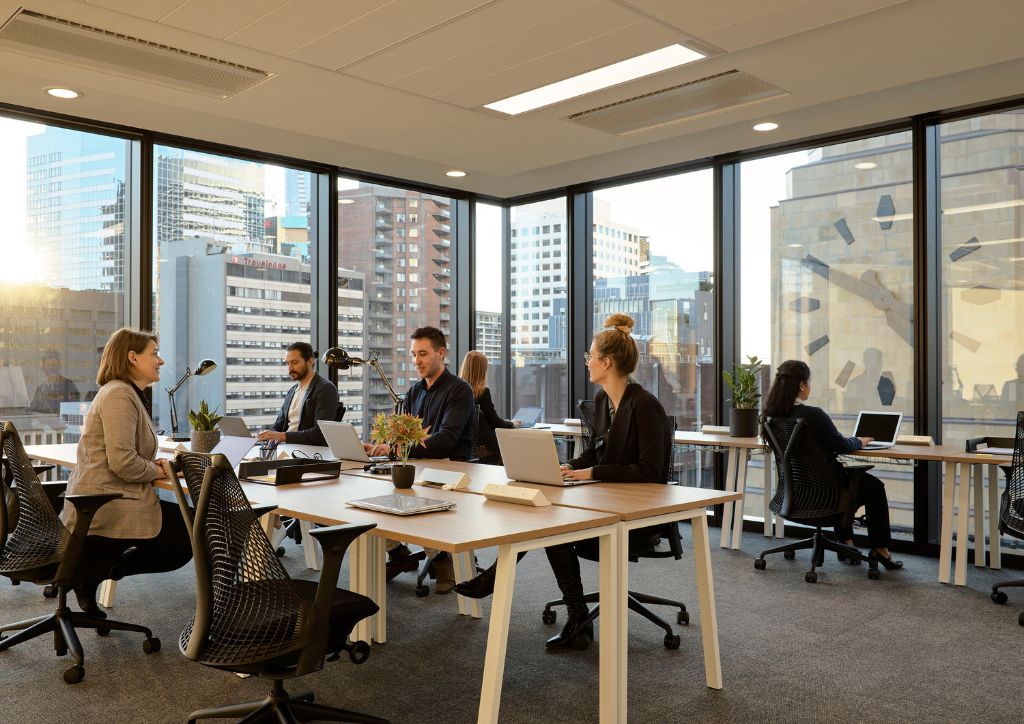
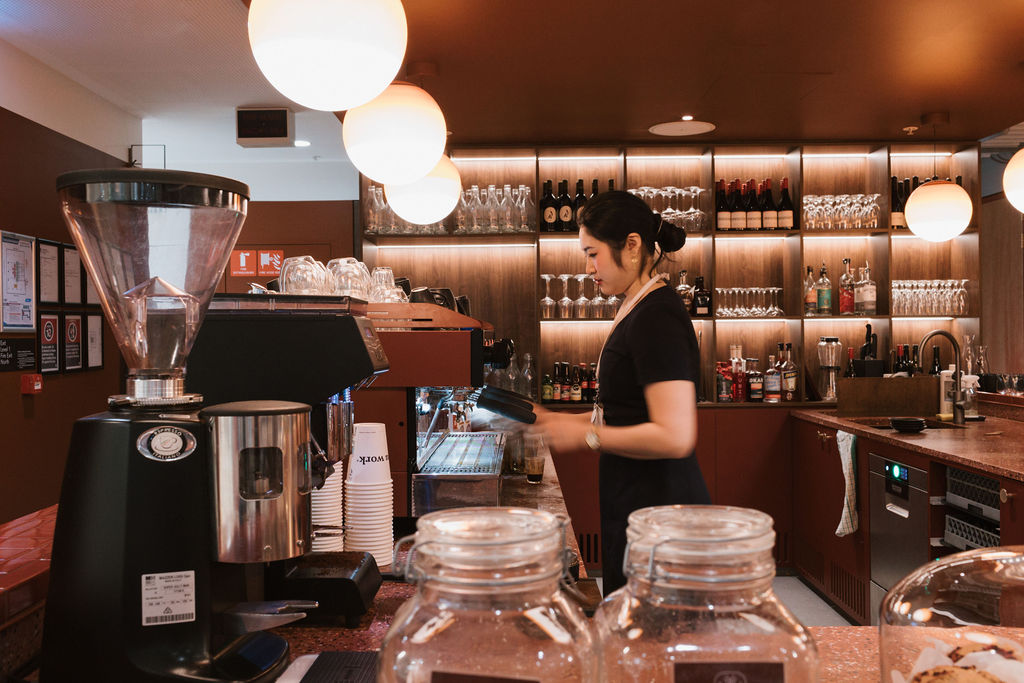
Shared office spaces or “coworking spaces” offer a great opportunity for individuals and businesses to lease anything from a single desk to a spacious office, ideal for freelancers, startups, and hybrid teams. They are budget-friendly with lower upfront costs and flexible month-to-month contracts. Tenants can benefit from amenities such as kitchens, break rooms, and social events, as well as a collaborative community.
Coworking spaces generally foster a collaborative culture, attracting freelancers and startups, whereas serviced offices are more corporate-focused and cater to established businesses.
Advantages of Serviced Office Spaces
A serviced office provides a private, fully furnished, managed workspace. This often includes maintenance, IT, and reception services. Ideal for small and medium-sized enterprises (SMEs) and sectors requiring high security, such as finance and legal, these offices come ready for use, with furniture, internet, and utilities included. Plus, the flexible setup lets you easily scale your office as your business grows.
Serviced offices are typically designed for larger teams and provide private amenities, while coworking spaces offer a mix of open-plan and private workspaces for individuals and small teams.
Cost Comparison: Shared vs Serviced Offices
When considering a serviced or shared office, affordability is a key factor. A serviced office space offers predictable pricing that includes rent and perks such as IT support and reception services, but is typically more expensive than shared space due to the privacy and premium space it provides.
A shared office space is generally more affordable up front, with flexible membership options and bundled amenities. However, if a business frequently requires private offices or exclusive meeting rooms, the costs can add up.
Flexibility and Scalability for Growing Teams
Both options provide flexibility and scalability. Shared office spaces allow for easy adjustment in the number of desks, while serviced offices enable companies to expand into larger suites within the same building.
A shared office is typically more suitable for early-stage startups that benefit from a sense of community and lower costs. In contrast, a serviced office space is ideal for companies that prioritise privacy, security, and dedicated, branded spaces.
Amenities and Services Included
Serviced offices provide a convenient “plug-and-play” setup with private suites available 24/7 and often include professional receptionist services, mail handling, IT support, and administrative assistance. Amenities like kitchenettes and business lounges create a welcoming atmosphere for SMEs, consultants, and those valuing confidentiality.
In contrast, shared offices promote collaboration through open designs, hot desks, and dedicated zones, making them ideal for freelancers, startups, and creative professionals. Community events and amenities like coffee stations foster networking and motivation.
Choosing the Right Option Based on Your Team Size and Needs
The decision between shared/coworking and serviced offices depends on your specific needs as a freelancer, startup, or corporate team. Consider the following questions to guide your decision:
- Do you need complete privacy for confidential work? If yes, a serviced office will be your best option.
- Do you work alone but enjoy a hybrid work style? A coworking space would be your best bet.
Common Mistakes Businesses Make When Selecting Office Space
Common mistakes when selecting office space include locking into long-term leases without flexibility, underestimating total costs, ignoring future growth, choosing poor locations, and overlooking technical/functional infrastructure. Businesses often neglect the impact of layout on culture, fail to accurately assess the required space, and prioritise aesthetics over functionality, wasting money.
FAQs – Shared vs Serviced Office Space
Which option is more cost-effective?
Shared office spaces are cost-effective and ideal for individuals or small teams on a budget, as you rent a desk or a small area. Serviced office spaces are generally pricier but offer better value for teams that need privacy, security, and dedicated amenities. Both options are usually 30-50% cheaper than traditional long-term leases, as they include utilities, internet, and maintenance in one fee.
Which offers more privacy and security?
Serviced offices provide higher privacy with lockable suites, ideal for law or finance firms handling confidential data. Shared spaces have low-to-moderate privacy due to open layouts, making them better for networking than confidentiality.
Which is more flexible?
Shared office spaces offer flexibility with memberships available by day, week, or month for quick scaling. While serviced offices provide more flexible options than traditional 3-12 month leases, they may require longer minimum commitments than coworking spaces.
What amenities are included?
Serviced offices offer receptionists, admin support, secure IT, and boardrooms. Shared spaces emphasise community amenities like cafes and networking events. Meeting rooms are available but may need to be booked during peak times.
Which is better for networking?
Shared office spaces promote networking through open environments and scheduled collaboration events, while serviced office spaces focus more on individual companies and offer less interaction between businesses.
Can I customise the space?
Customisation is limited in both types. However, serviced offices often allow for internal branding, such as adding your own logo in your private suite.
Which is best for my business?
Choose a shared office space if you are a freelancer, a startup, a remote worker, or a small team seeking a cost-effective, high-energy environment. Choose serviced offices if you are an established SME, frequently conduct client meetings, or require a professional, secure, turnkey, and private workspace.
Conclusion
While both shared office spaces and serviced offices offer flexible alternatives to traditional leases, they serve different business needs. Shared spaces suit freelancers and startups seeking collaboration and savings, while serviced offices are better for established teams needing privacy and professionalism. Both offer modern amenities and strategic locations, ideal for businesses wanting a central presence without a long-term lease.
Hub Australia offer both models, enabling businesses to scale easily. As the need for work space flexibility continues to grow, serviced offices and coworking spaces will play a key role in the future of work.