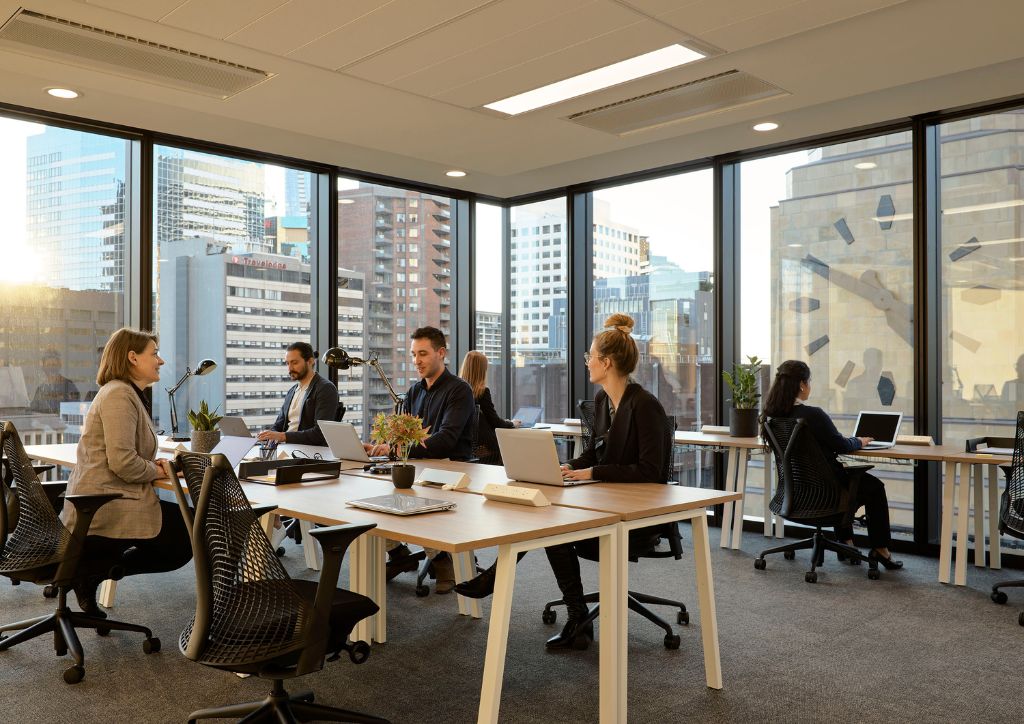
Choosing the best office space for rent for any growing or emerging business is an important decision. It requires considering factors such as location, budget and scalability. What your business will need will differ from that of any other business, so it’s crucial to account for your specific needs when it comes to shared spaces, hot desking setups, meeting rooms, and the services offered.
Let’s walk through some options that can highly benefit your growing business.
Why Choosing the Right Office Space Matters
Picture this: you’re renting an office space that meets your small business’s needs but has no room for growth. You find a shared space for your six employees in a nice location and within budget, but soon your team expands to ten, and you find yourself at maximum occupancy with a lease that offers no flexibility.
This scenario highlights the importance of considering multiple factors, including scalability, when renting office space. A suitable office not only enhances efficiency and collaboration but also supports long-term growth with flexible lease options. The right office space can determine the success or failure of your business.
Types of Office Spaces Available
Office spaces range from traditional leased suites to flexible, modern options. Major types include serviced offices, shared spaces, private office suites, and hybrid or open-plan layouts. These choices cater to different needs, whether for short-term daily rentals or long-term leases for larger teams. Shared/coworking spaces are often more affordable than traditional office rentals, making them an attractive option for freelancers and small businesses.
Factors to Consider When Choosing Your Office
When choosing the right office space to rent, consider these needs: location, proximity to public transport and the safety of the neighbourhood, a clear budget, rent, operating costs, moving and equipment costs. Scalability, space for growth, flexible lease terms, layout and design, to optimise workflow for collaboration and individual work, and available amenities and services.
Long-term leases can offer cost benefits through negotiated rates, but they require businesses to have stable cash flow to meet the financial obligations over the lease term. Careful review of lease terms, including duration, renewal options, and rent escalation clauses, is also crucial to ensure they align with business interests and provide the necessary flexibility. When budgeting for office space, it’s important to research local market rates for similar properties to ensure you are paying a fair price.
Location, Budget, and Amenities
Selecting the right office space is crucial for employee productivity and business success. Key factors to consider include location, budget and modern amenities. The ideal location often means access to public transport, parking, and bike storage, as well as proximity to amenities such as cafes, shops, and more.
Budgeting should include rent, repairs, utilities, and fit-out costs. Lease terms like rent-free periods can help with budgets, but you also want to make sure you factor in growth. Investing in amenities like high-speed internet, ergonomic furniture, storage space and natural light can boost productivity.
Shared, Serviced, and Hot Desking Options
Shared/coworking spaces are ideal for freelancers, startups, remote teams, and creative industries, offering networking opportunities and flexibility. They typically feature amenities such as bookable rooms, lounges, high-speed internet, and a strong sense of community.
Serviced spaces provide ready-to-use environments for small teams and growing businesses, with all-inclusive pricing for utilities and access to facilities such as kitchens and recreation rooms, hot-desking suits hybrid workers and travel-heavy teams, fostering flexibility and cross-departmental collaboration.
Meeting & Event Rooms for Maximum Value
Another consideration when choosing an office space to rent is prioritising spaces with on-site meeting and event rooms, which is key for maximising value and reducing overhead costs. Modern office spaces, particularly shared or serviced workspaces, often include these facilities.
Common Mistakes to Avoid
Key mistakes when renting office space include locking into long-term leases, overlooking technical infrastructure and parking, and skipping physical inspections. To get the best out of your office space, you’ll want to accurately assess space needs, calculate the total cost of occupancy (including utilities and maintenance), ensure lease flexibility for growth, and verify the location’s accessibility.
FAQs – Office Space for Rent
What are the key lease terms I should look for?
Leases that last from six months to several years, with renewal options. Rent that includes all costs, such as land tax and maintenance. Landlords who offer rent-free periods or fit-out contributions. You might also want to consider rent abatement.
How much office space do I need?
Estimate roughly 80-150 sq ft per employee for office space to accommodate current needs and plan for future growth. But how much space you need will depend on how big your team is and your business needs.
Is office location important for business success?
The perfect office space should be accessible and close to public transport. Access to amenities such as gyms, cafes, and restaurants improves staff retention. A central business district (CBD) location can also improve credibility.
Are there different types of office spaces to choose from?
- Traditional Lease: You rent the space directly from the landlord for a long term and manage your own fit-out.
- Serviced Office: Fully furnished, managed, and ready to move in with flexible, short-term contracts.
- Coworking Space: A shared office space is ideal for freelancers or startups, offering low risk.
Are there hidden costs when renting an office??
- Cleaning services: Often not included in the base rent.
- Insurance: Tenant insurance for equipment and liability.
- Utilities: Internet, electricity, and water, if not included in the lease.
- “Make Good” Clause: The cost to restore the office to its original condition when you leave.
What amenities are common in modern offices?
All modern office spaces should have high-speed internet/stable connectivity, meeting rooms and boardrooms, a kitchenette and break areas, plus secure parking and end-of-trip facilities (showers/lockers).
Can I Rent an Office Temporarily?
Yes, short-term office leases are available, often ranging from a few days or months up to a year, which are ideal for startups or projects.
Conclusion
Choosing office space for rent is crucial for your thriving business. Factors like location, budget, and scalability will play a big part in your decision. By prioritising your specific business needs, you’ll discover an environment that truly fosters your growth and success.
Hub Australia offer several solutions from private to flexible workspaces. Whether you’re after a desk for a day or a fully furnished private office space, we’ve got a solution for you. Let’s find your perfect office space together.