

7 Tips to Make the Most of Your Collaborative Workspace
There is no doubt that the way we define a workspace has shifted over the last six years. The time of rigid office layouts has come to an end; we now know the best way to encourage workers to come into the office is to invest in collaborative, flexible spaces and to offer hybrid work environments. These spaces cater to different needs while still enabling teams to collaborate and achieve the best outcomes for businesses.
What Is a Collaborative Workspace and Why It Matters
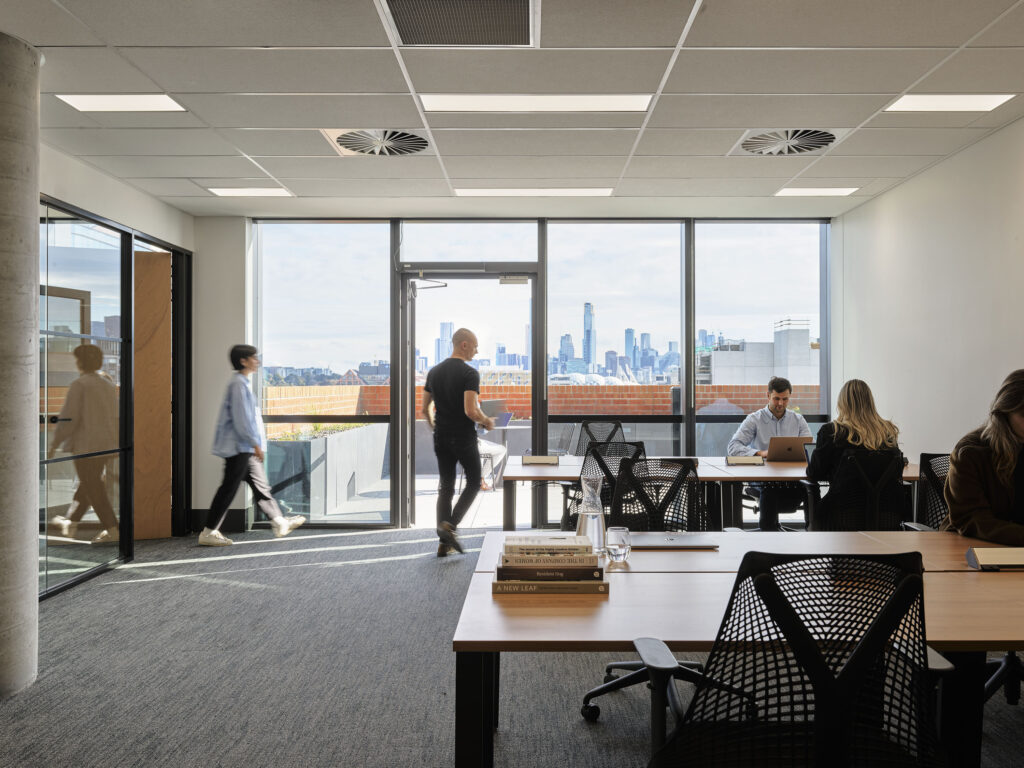
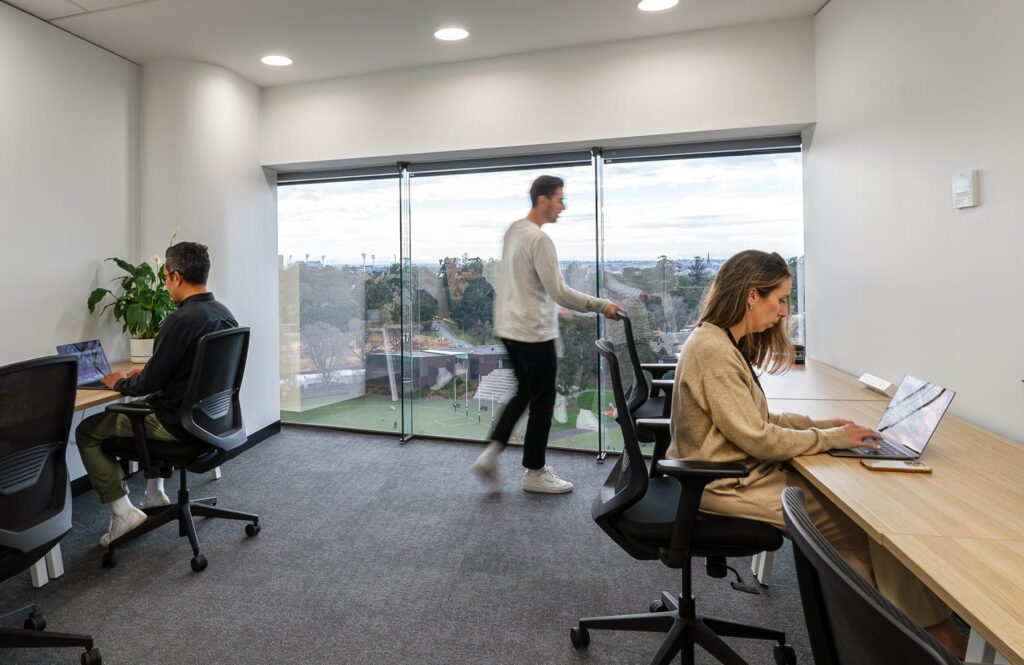
A collaborative workspace is a flexible office environment that inspires teamwork, knowledge sharing, and open communication. With dynamic layouts, including collaboration rooms, inviting communal areas, and focus booths equipped with integrated technology, these spaces adapt perfectly to hybrid schedules and project-driven work.
With 70% of employees recognising that effective collaboration enhances productivity, these work environments are becoming increasingly in demand for modern businesses looking to level up. Companies that promote collaboration can reduce turnover by 50% as the freedom and flexibility helps incentivise workers to stay with an employer that respects their needs.
Designing Your Workspace for Maximum Collaboration
To truly enhance collaboration, any collaborative workspace should prioritise the team and the individual equally. This can be done with defined work zones, such as focus pods, private offices and meeting rooms, along with hot desking and open-plan zones designed to encourage open communication and spontaneous, cross-departmental interactions. This balance between the private and shared spaces inspires creativity and strengthens teamwork.
Tips for Effective Team Communication in Shared Spaces
Effective team communication in shared spaces relies on setting clear boundaries, establishing communication norms through instant messaging and project management systems, and leveraging digital tools such as video conferencing platforms and virtual whiteboards to enable communication not only within the collaborative space but also for teams working in hybrid settings. These tips ensure that, no matter where your team is working, communication is effective and easy.
Leveraging Technology to Promote Collaboration
As previously stated, utilising technology in shared environments turns static locations into vibrant, hybrid-friendly collaborative spaces. It connects physical and virtual realms, streamlines room administration, and allows for inclusive idea sharing, enabling teams to co-create effortlessly, whether they are in the same location or collaborating remotely.
To effectively promote collaboration, consider the following essential technologies for your shared environments:
- Wireless Presentation & Smart Displays: Swap bulky cables for systems that let multiple users instantly share content from their laptops or mobile devices.
- Virtual Collaboration Platforms: digital workspaces allow remote participants and those in the room to brainstorm together as if they were gathered around the same whiteboard.
- Space & Desk Management Software: Use workspace applications to prevent double bookings, manage hot-desking, and enable teams to quickly reserve huddle rooms.
- Cloud-Based Document Co-Creation: centralise project files so all collaborators have access to the most recent versions and can edit live documents simultaneously.
Creating a Productive and Positive Company Culture
Creating a productive, positive work culture in collaborative spaces is a balancing act that considers how your workers feel mentally, emotionally, and physically. It’s about how effectively they can communicate and if they feel safe and comfortable in their work zone. The best collaborative environments empower teams to seamlessly transition between deep independent focus and dynamic group work without feeling overwhelmed.
Studies show that 88% of job applicants consider a positive workplace culture crucial for success. Because of this, it’s increasingly important to create environments for casual social interactions. These environments matter just as much as spaces for organised creative brainstorming.
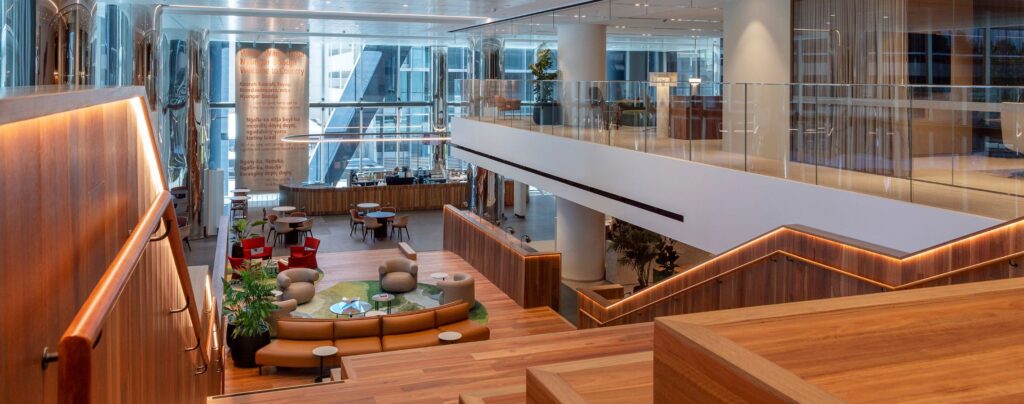
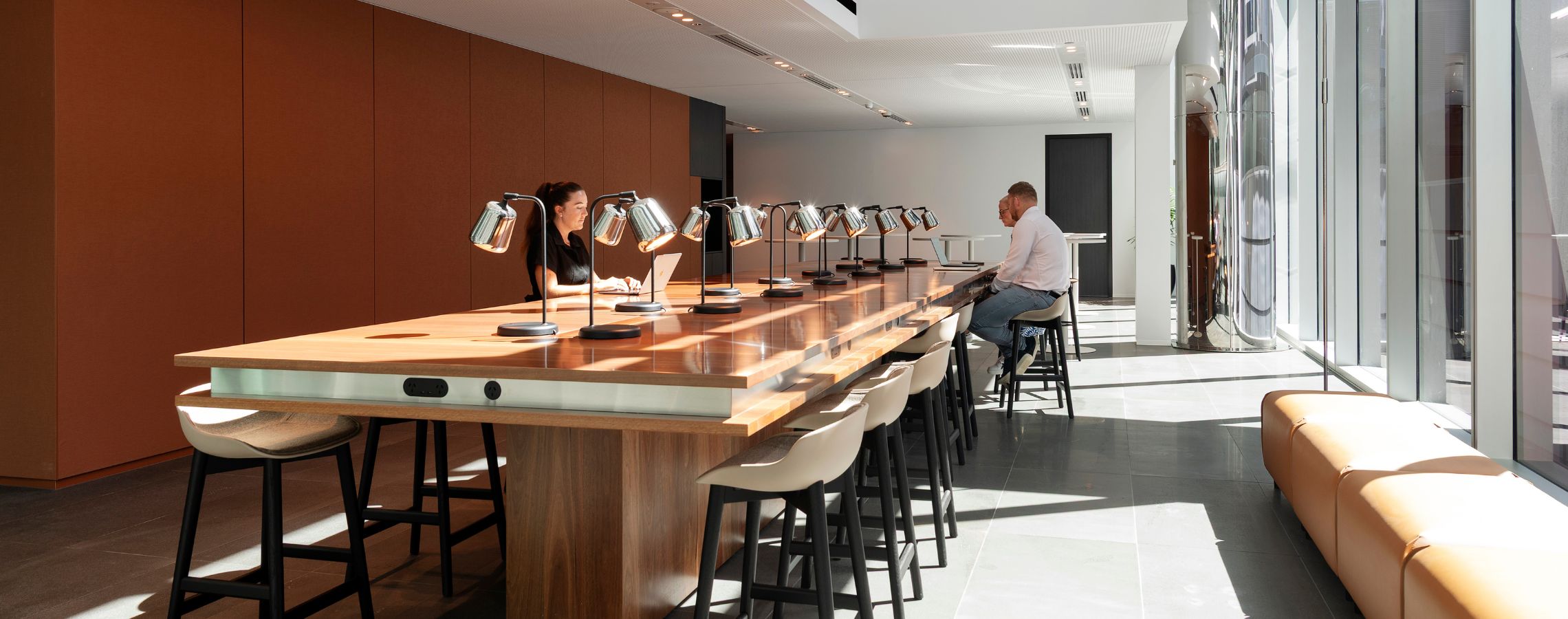
A few things help make this happen. Enhancing your workspace layout is one. Utilising shared areas beyond the lunchroom is another. Careful design that prioritises people in the planning process also plays a part. Together, these steps let the office promote cultural growth, foster collaboration, and boost productivity.
Managing Conflicts and Differences in a Collaborative Work Environment
A big part of creating a safe environment for teams is for managers to effectively problem-solve conflicts and understand differences that can arise in a collaborative work environment. Thankfully, while cross-functional spaces can pose challenges, it’s that exact collaborative model that holds the answers, too, because open communication is easier.
By prioritising this open communication made available through a collaborative space, active listening, and objective criteria, teams can transform disagreements into catalysts for innovation.
Best Practices for Hybrid Teams in Collaborative Workspaces
To maximise the success of hybrid teams, it is essential to blend intentional communication, thoughtful workspace design, and equitable access to digital tools. Standardise technology across all locations and establish clear meeting protocols that prioritise the participation of remote workers.
How to Measure Productivity in Collaborative Spaces
When it comes to gauging productivity in collaborative workspaces, it’s time to move beyond just tracking individual hours spent at a desk. The real measure of success lies in the outcomes generated by teams, the sharing of knowledge, and how well the space itself is utilised. To understand how our environment fosters teamwork, we need to blend digital collaboration metrics, insights from physical space analytics, and direct employee feedback. This comprehensive approach will provide a clearer picture of how effectively our workspaces support collaboration and creativity.
FAQs – Making the Most of Your Collaborative Workspace
What makes a workspace collaborative?
A space designed with a mix of adaptable zones, often movable furniture, open communal areas, plus private focus spaces, giving employees the flexibility to choose how and where they work.
What is the difference between a collaborative workspace and a coworking space?
A collaborative workspace is often tailored to a single organisation’s goals, while a coworking space houses multiple companies and individuals who share resources.
Do collaborative workspaces lack privacy?
Well-designed hubs strike a healthy balance between the team and the individual by offering private booths, closed-door offices, and quiet areas alongside communal zones for collaboration.
What amenities are typically included?
Standard offerings usually include high-speed Wi-Fi, utilities, printing stations, mail services, and kitchenettes stocked with coffee or tea, of course!
Are there long-term lease commitments?
Most collaborative spaces and serviced offices are highly flexible, often operating on a month-to-month basis with 30-day notice periods. Hub Australia offers flexible office space options at affordable prices, tailored to your needs.
What is a digital collaborative workspace?
It refers to software platforms (such as Slack, Microsoft Teams, and cloud-based platforms) that enable remote and hybrid teams to share files, track tasks, and solve problems from anywhere.
Drive Innovation and Build the Best Employee Experience with Collaborative Workspaces
Creating a collaborative workspace is not just about designing a physical environment; it’s about cultivating a culture that values teamwork, communication, and innovation. By embracing flexibility, leveraging technology, and prioritising effective communication, organisations can foster a vibrant atmosphere where employees feel empowered to connect and collaborate.
Hub Australia is dedicated to prioritising and designing workspaces that inspire connection and creativity. As we adapt to the evolving work landscape, investing in collaborative spaces is essential for attracting and retaining talent. With the right approach, companies can enhance productivity, boost employee satisfaction, and ultimately, drive success.