

The return-to-office debate has been running for years now. And yet, for many organisations, it still feels unresolved — a push and pull between leadership wanting presence and employees wanting flexibility.
Here’s what the data is telling us: the tug of war itself is the problem.
The organisations seeing the strongest, most consistent in-office attendance aren’t the ones with the strictest policies. They’re the ones who’ve stopped trying to force the issue — and started making the office genuinely worth showing up for.
The engagement crisis no one is talking about
In 2025, global employee engagement dropped to just 20%. That’s not a slight dip — it’s a sustained low that Gallup estimates costs the global economy $10 trillion in lost productivity every year.
At the same time, 61% of Australian workers are reporting burnout symptoms. Nearly half say it’s affecting their performance.
Mandates aren’t solving this. If anything, they’re making it worse — creating resentment rather than connection, and presence without engagement.
What employees actually want
The shift in what people need from the office is clearer than ever. According to Hub Australia’s Love Where You Work Report, three themes came through consistently:
Connection that’s inclusive. Traditional formats — after-work drinks, Friday socials — are declining in value. Employees want connection that’s activity-based and accessible to everyone. In fact, 65% of workers now cite relationship building as their primary reason for returning to the office.
Inclusion that’s visible. Employees aren’t just looking for a diversity statement on the wall. They want to feel it in their day-to-day experience. While team-level inclusion has risen to 56%, there’s a significant gap at the management level — only 35% of workers feel their direct manager is truly inclusive.
Wellbeing that’s built in. Not ping-pong tables and free snacks, but environments that genuinely reduce pressure and support people to do their best work.
What high-performing workplaces are doing differently
Leading organisations have stopped measuring success by how many desks are filled. Instead, 75% of global firms now prioritise employee satisfaction and experience as their primary workspace metric.
The shift looks like this in practice:
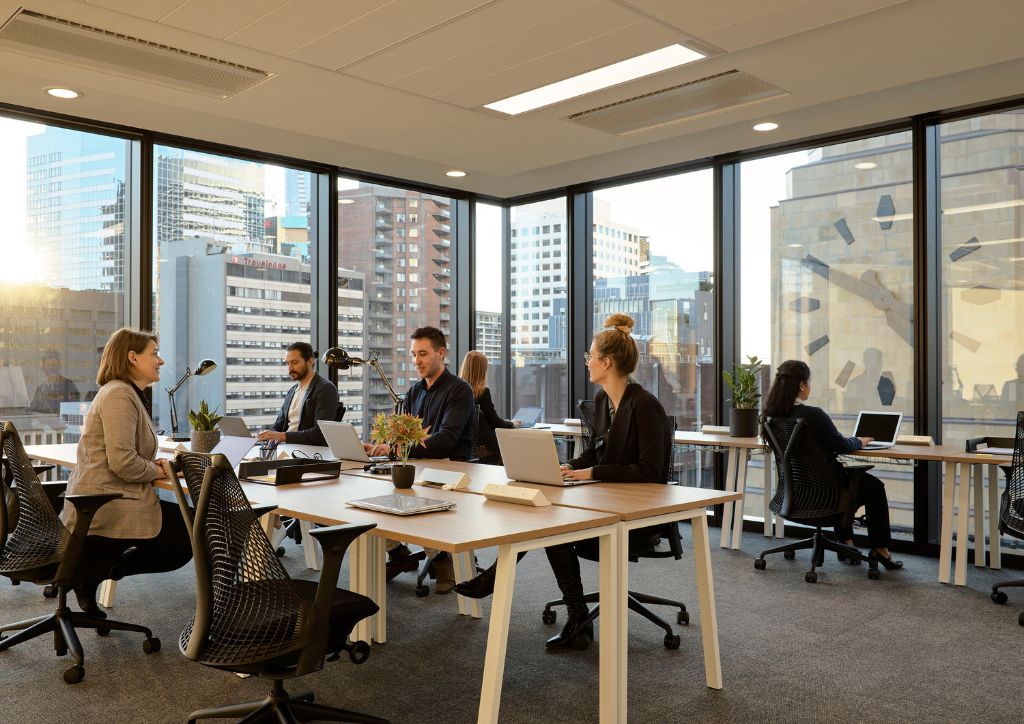
Office time is intentional. Top-performing teams use in-office days for collaboration, learning, and connection — not for the heads-down solo work that could happen anywhere. Only 17% of desks are now used for more than five hours a day, which tells us the office is becoming a place for people, not just work.
Experiences are programmed. The best workplaces don’t leave the day to chance. They design it — with rituals, events, and moments that create a reason to be there. Team rituals alone can increase an employee’s sense of meaningful work by 16%.
Leadership shows up. With manager engagement at a global low of 22%, visible leadership presence on in-office days matters more than ever. When leaders are consistently there, it signals that in-person time is genuinely valued — not just expected of others.
Three things that make the difference
If you’re thinking about how to shift your own workplace culture, it comes down to three things:
Alignment — Create clarity around when it matters to be in. Anchor days (2–3 consistent in-office days per week) remove the friction of showing up to an empty floor. Tuesdays are currently the global peak for office use at 51.5% utilisation.
Purpose — Structure in-office time around activities that genuinely benefit from being together. Stand-ups, workshops, collaborative sprints, shared learning. Not the work people could do just as easily at home.
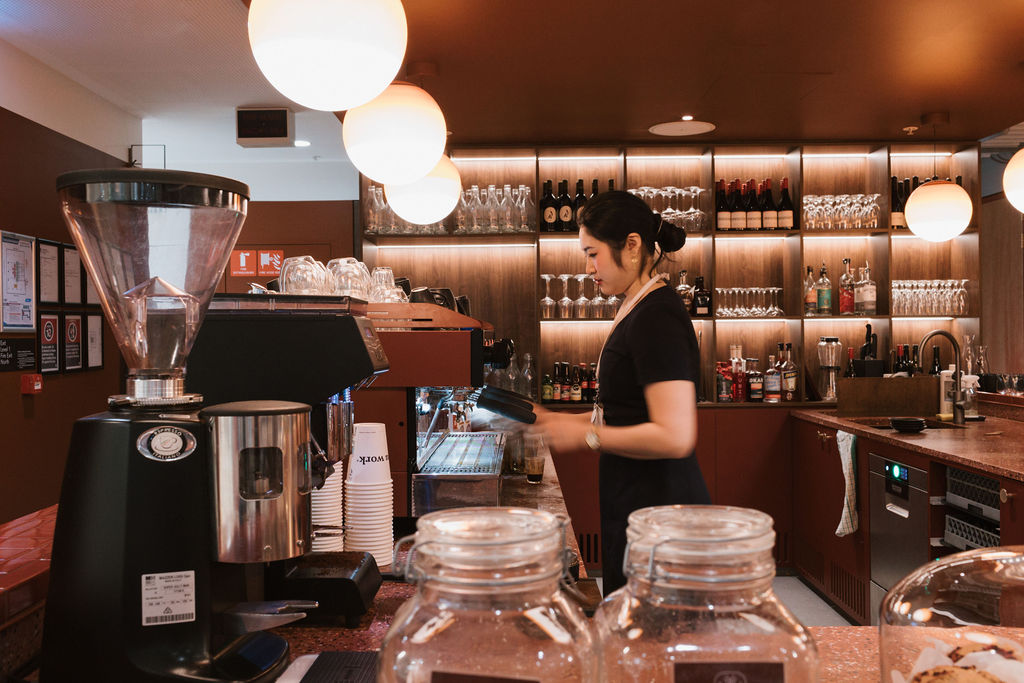
Experience — Make the day feel different. That might be a guest speaker, a team lunch, a surprise treat, or simply a great coffee on arrival. Fun is the number one driver of wellbeing across all generations in Australian workplaces — employees who experience it are up to 220% more likely to report high wellbeing.
The bottom line
Australian Best Workplaces outperform typical organisations by 41 percentage points in psychological safety, 30 points in retention, and 32 points in customer service excellence. That gap doesn’t happen by accident — and it doesn’t happen by mandate either.
It happens when people feel the office is worth their time.
The good news: that’s entirely designable. The workplaces getting this right aren’t doing anything extraordinary. They’re being intentional — about when people come in, why they’re there, and what the experience of being there actually feels like.
That’s the shift. From default to destination.
Hub Australia works with teams across the country to design workspace experiences people genuinely love. Download the full guide, Stop Mandating Attendance. Start Earning It.